Is Your Tap Water Safe? Common Contaminants Found in Residential Water and How to Test for Them
Clean, safe tap water is something many homeowners in New Castle, IN assume they have. After all, water flows from the faucet looking clear and tasting normal. However, appearances can be misleading. Residential water can contain a variety of contaminants that are invisible, odorless, and potentially harmful over time. Understanding what may be in your tap water—and how to test for it—is an important step toward protecting your family’s health and your plumbing system.
At
Triple J Plumbing, LLC, we regularly help homeowners identify water quality issues and recommend solutions that improve safety and performance. This guide breaks down common residential water contaminants, their sources, and how you can
test your water with confidence.
Understanding Where Residential Water Contamination Comes From
Water contamination can occur at multiple points before it reaches your faucet. Even if municipal water treatment meets regulatory standards, contaminants can still enter the water supply along the way.
Aging infrastructure is one of the most common causes. Older pipes, especially those made from lead or galvanized steel, can leach metals into drinking water. In homes with private wells, contamination may come directly from groundwater, which can be affected by agricultural runoff, industrial activity, or natural mineral deposits.
Household plumbing systems also play a role. Corroded pipes, water heaters, and fixtures can release sediment, rust, and bacteria. In New Castle and the surrounding areas, seasonal changes, heavy rainfall, and soil composition can further impact water quality.
Understanding the source of potential contamination helps determine the best testing and treatment approach for your home.
Common Chemical Contaminants Found in Tap Water
Chemical contaminants are among the most concerning substances found in residential water because they can pose long-term health risks even at low levels.
Chlorine and chloramines are widely used by municipal water systems to disinfect water. While effective at killing bacteria, these chemicals can cause unpleasant tastes and odors and may irritate skin and eyes. Over time, they can also contribute to pipe corrosion.
Lead is another major concern, particularly in older homes. It often enters water through deteriorating pipes or solder and can be especially dangerous for children and pregnant women. Even small amounts of lead exposure can affect brain development and overall health.
Nitrates and nitrites are commonly found in areas near agricultural activity. These contaminants can seep into groundwater from fertilizers and animal waste, posing a serious risk to infants and young children.
Volatile organic compounds (VOCs), such as benzene or trichloroethylene, may be present due to industrial pollution, fuel leaks, or improper chemical disposal. These substances are associated with a range of health concerns and should be addressed promptly if detected.
Biological Contaminants That Can Affect Your Family’s Health
Biological contaminants include bacteria, viruses, and parasites that can cause immediate health problems if consumed.
Coliform bacteria are often used as an indicator of potential contamination. While not all coliform bacteria are harmful, their presence suggests that disease-causing microorganisms may be in the water supply.
E. coli is a more serious form of bacterial contamination, usually linked to sewage or animal waste entering the water. Exposure can result in gastrointestinal illness and other severe symptoms.
In homes with private wells, biological contamination is a greater risk, especially after flooding or heavy rain. Cracks in well casings or improper sealing can allow surface contaminants to enter groundwater.
Regular testing and proper disinfection are essential for preventing biological contamination and ensuring water safety.
Physical Contaminants That Impact Water Quality and Plumbing
Physical contaminants may not always be harmful to health, but they can significantly affect water quality and plumbing performance.
Sediment, such as sand, dirt, and rust particles, often enters water through aging pipes or disturbed water mains. Sediment can clog fixtures, reduce water pressure, and damage appliances like dishwashers and washing machines.
Hard water minerals, primarily calcium and magnesium, are common in many Indiana homes. While not dangerous to drink, hard water can cause scale buildup in pipes and water heaters, reducing efficiency and increasing energy costs.
Discolored water, often caused by iron or manganese, can stain sinks, tubs, and laundry. These minerals may also give water a metallic taste that makes it unpleasant to use.
Addressing physical contaminants improves not only water clarity and taste but also the lifespan of your plumbing system.
How to Test Your Tap Water and What to Do Next
Testing your tap water is the only reliable way to know what is in it. Homeowners have several options, depending on their needs and concerns.
At-home water testing kits are widely available and can detect common issues such as chlorine levels, hardness, and some metals. These kits are a good starting point, but may not provide detailed or fully accurate results.
Professional laboratory testing offers a more comprehensive analysis. Samples are evaluated for a wide range of contaminants, including bacteria, heavy metals, and chemical compounds. This option is especially recommended for homes with private wells or persistent water quality issues.
Working with a professional plumbing company like
Triple J Plumbing, LLC ensures accurate testing and expert interpretation of results. Once contaminants are identified, solutions may include water filtration systems, water softeners, pipe replacement, or targeted treatment methods.
Taking action after testing is just as important as the test itself. Addressing water quality issues promptly protects your health, your home, and your plumbing investment.
Contact Triple J Plumbing, LLC for Water Testing and Plumbing Solutions
If you are concerned about the safety of your tap water,
Triple J Plumbing, LLC is here to help. As a trusted plumbing company serving New Castle, IN, we provide professional
water testing, plumbing inspections, and customized solutions designed to improve your home’s water quality.
Whether you need help identifying contaminants, installing a filtration system, or upgrading old pipes, our experienced team is ready to assist. Call
(765) 444-2099 today to schedule a consultation and take the first step toward safer, cleaner water in your home.
We offer
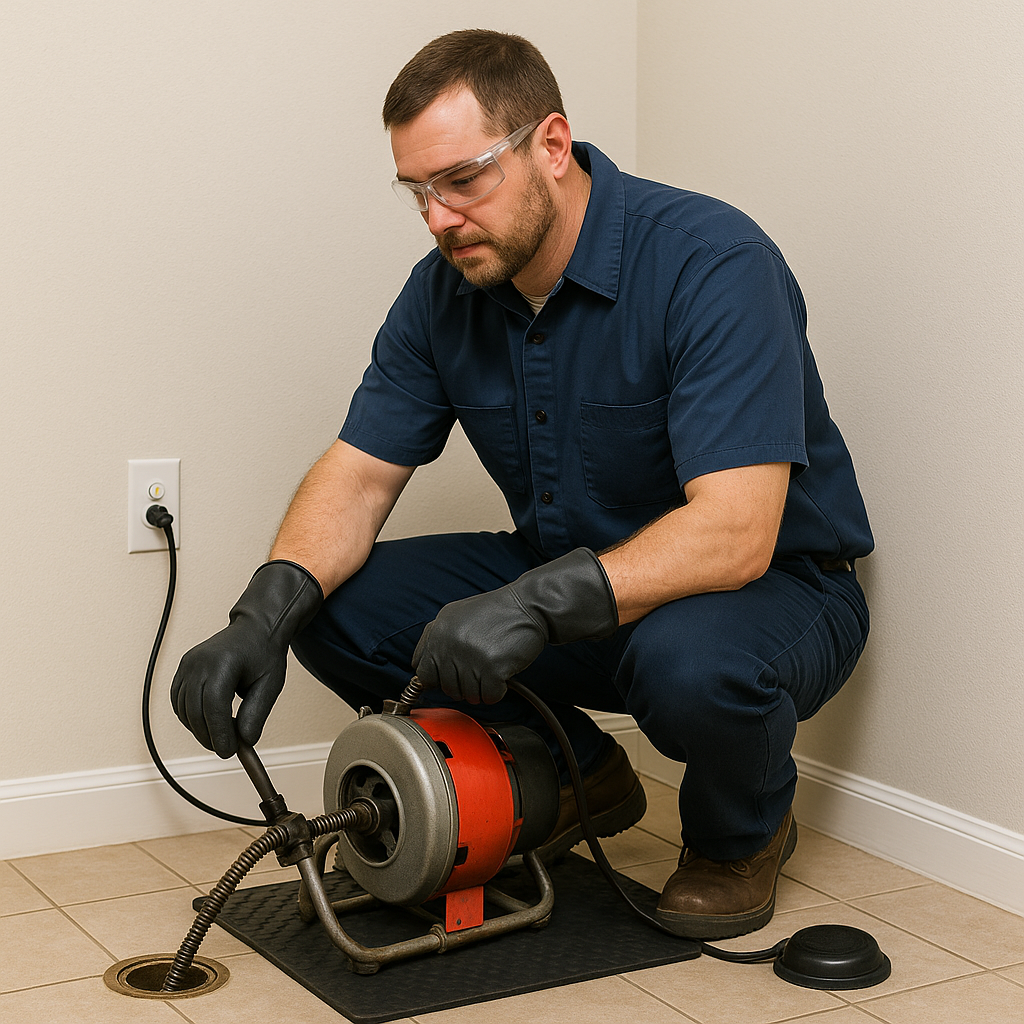
clog removal,
water leaks and repair,
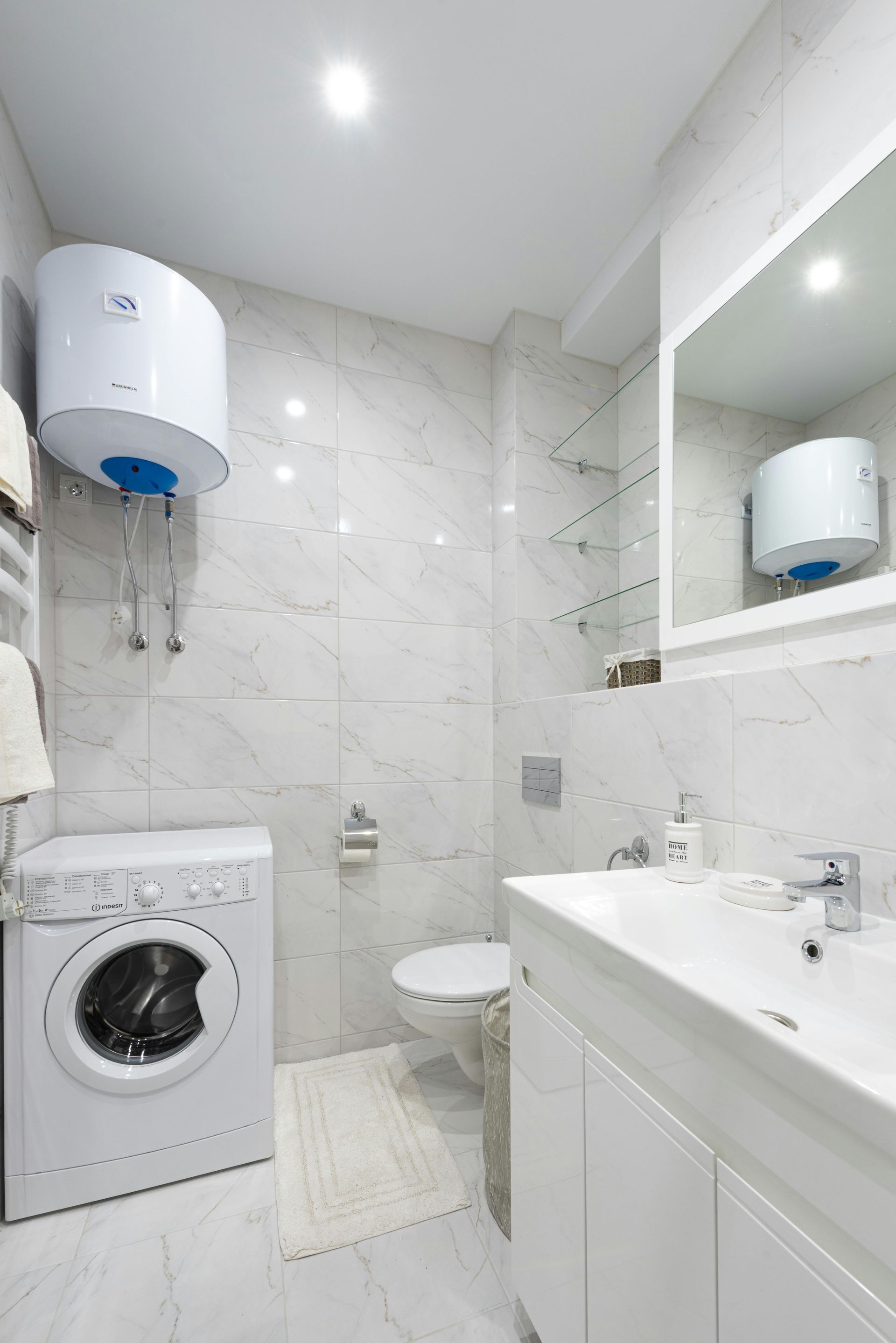
water heaters,
water purification, and
pump repair and installation.
FAQs
How often should I test my tap water?
Homeowners should test their water at least once a year. Homes with private wells or older plumbing systems may benefit from more frequent testing.
Is clear water always safe to drink?
No. Many harmful contaminants, including lead and bacteria, are invisible and cannot be detected by sight, taste, or smell.
Can boiling water remove contaminants?
Boiling can kill bacteria but does not remove chemicals, heavy metals, or minerals. In some cases, boiling can actually concentrate certain contaminants.
Do water filters remove all contaminants?
No single filter removes everything. The right system depends on the specific contaminants present in your water, which is why testing is essential.
Should I be concerned if my home has old plumbing?
Yes. Older pipes can contribute to contamination through corrosion and material breakdown. A professional inspection can help determine if upgrades are needed.